5 Ways to Style Your Jhumkas This Season
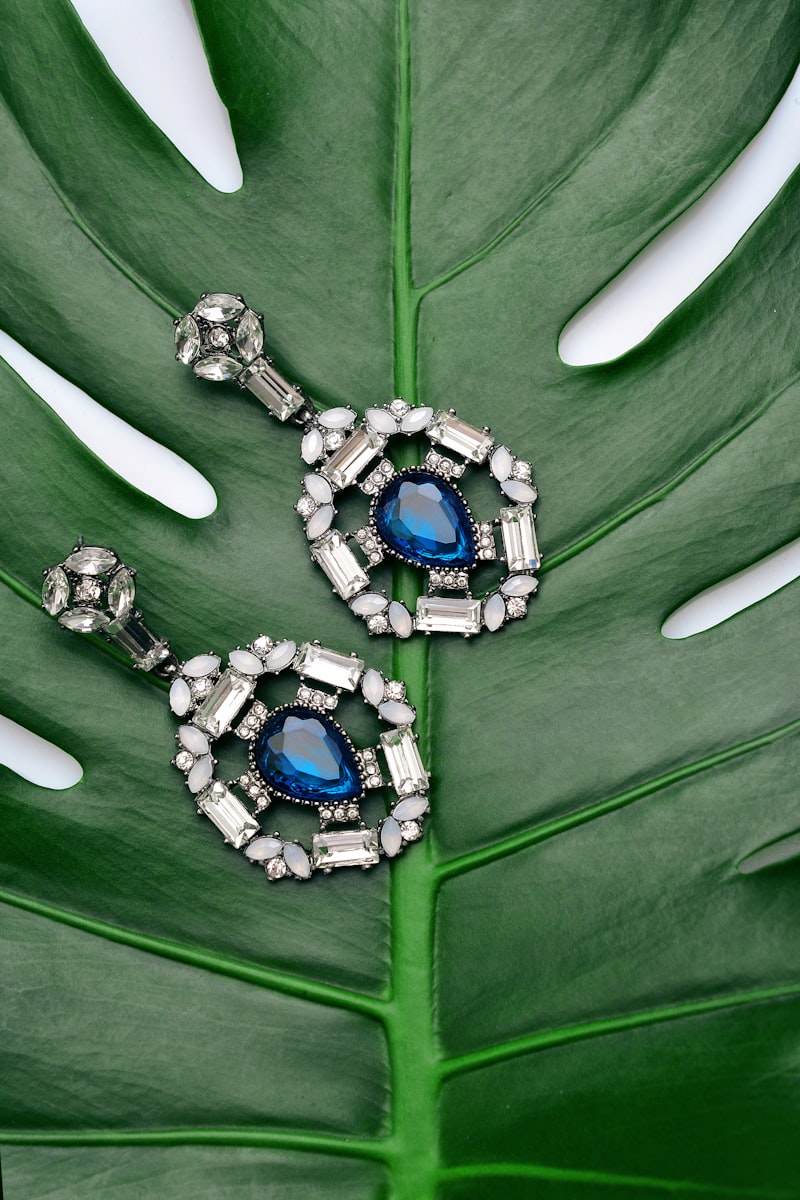
Jhumkas are the most versatile Indian earring. Here are five stunning ways to wear them for every occasion.
Few pieces of jewellery announce themselves as beautifully as the Payal. That soft, musical jingle has been part of Indian culture for at least 4,000 years, and its meaning has evolved fascinatingly over time.
Archaeological findings at Mohenjo-daro — the ancient Indus Valley civilisation — include anklets dating to 2500 BCE. These early pieces were simple silver bands, evidence that ankle adornment is one of humanity's oldest jewellery traditions.
In many Indian traditions, married women wear silver anklets as a symbol of their status. The sound of the Payal was considered auspicious — announcing the arrival of the lady of the house. Gold anklets were traditionally avoided by married women as gold is associated with Lakshmi, the goddess of wealth, and wearing it on the feet was considered disrespectful.
Ghungroo — the larger, bell-laden anklets worn by classical dancers — are an evolution of the Payal. In Bharatanatyam and Kathak, the rhythm of the Ghungroo becomes an instrument in itself.
Jhumkas are the most versatile Indian earring. Here are five stunning ways to wear them for every occasion.

Temple jewellery — crafted for gods, worn by queens. Explore the divine origins of South India's most sacred jewellery style.
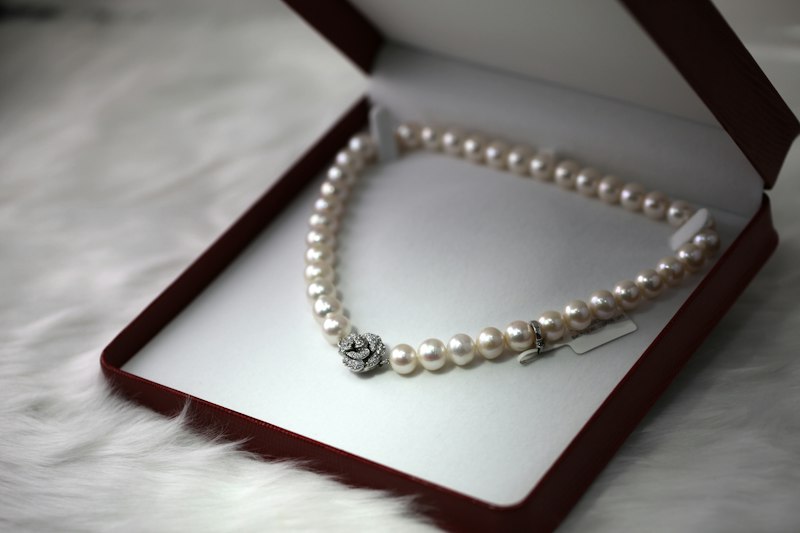
From maximalist Kundan to minimal everyday gold — discover the jewellery trends defining Indian weddings in 2025.