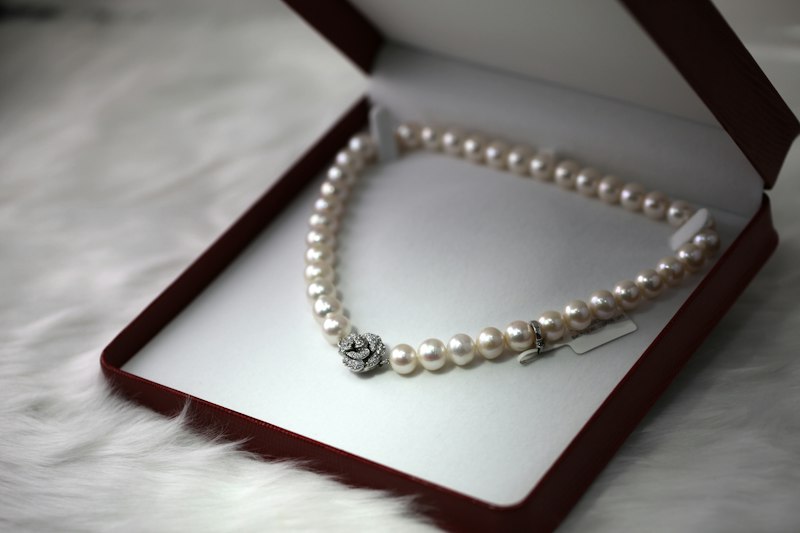
How Real is Your Vintage Jewellery? A Guide to Authenticity
Learn the key tests and signs to verify whether your vintage jewellery is genuinely antique or a beautiful reproduction.
An Indian bridal jewellery collection is a complete language of symbolism. Each piece represents a different blessing, relationship, or prayer for the bride's new life. Here is your complete guide.
Worn at the parting of the hair, the Maang Tikka is associated with the Ajna chakra — the third eye. It represents the groom's acceptance of the bride.
A symbol of beauty and marital status. The larger the Nath, the more auspicious the occasion in many North Indian traditions.
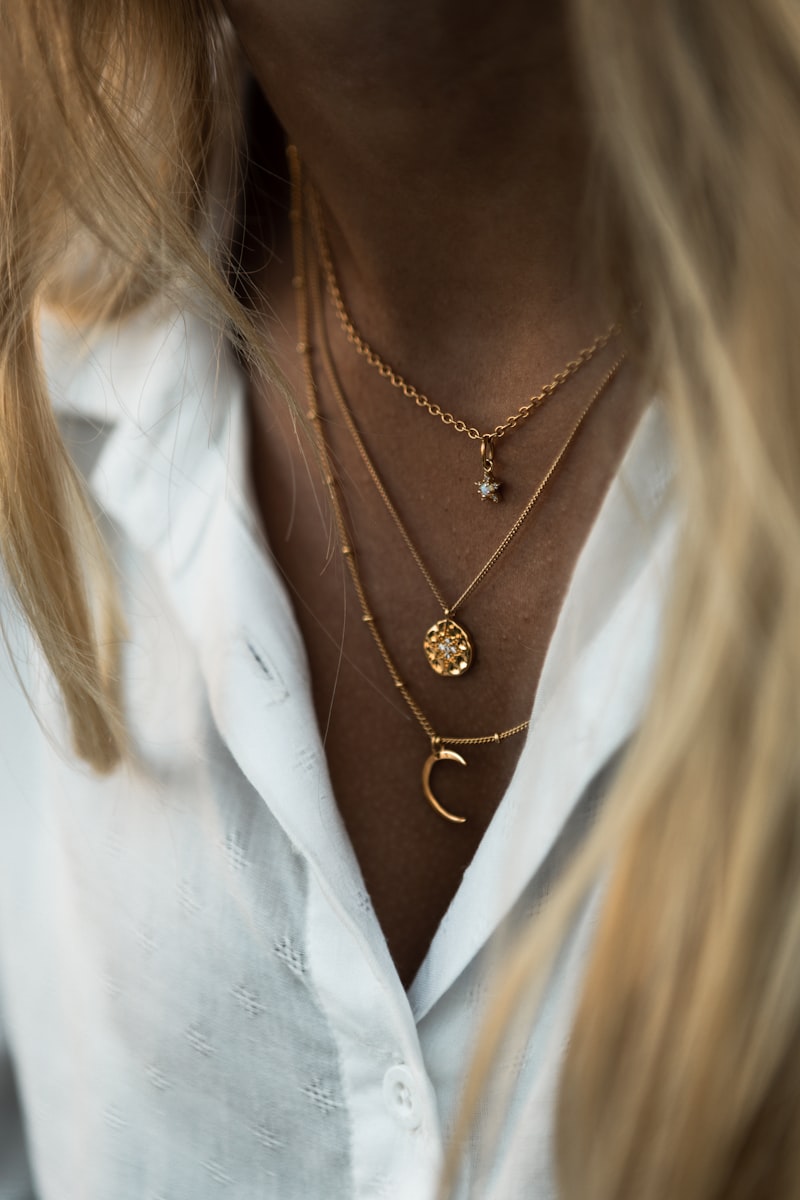
Multiple layers of necklaces are traditional — a short choker, a mid-length piece, and a long Haar. Together they represent completeness and abundance.
Worn on the upper arm, the Bajuband is associated with strength and protection. It is often given by the bride's maternal uncle as part of the wedding ritual.
Red and ivory Chuda bangles are given by the maternal uncle and worn for 40 days after the wedding in many Punjabi traditions. Other bangles represent good fortune and fertility.
Silver anklets complete the bridal look. The sound of the Payal is considered auspicious and announces the bride's presence.
Learn the key tests and signs to verify whether your vintage jewellery is genuinely antique or a beautiful reproduction.
The Nath nose ring has been worn by Indian women for over 5,000 years. Discover its cultural, spiritual, and fashion evolution.
From maximalist Kundan to minimal everyday gold — discover the jewellery trends defining Indian weddings in 2025.