
The Complete Guide to Temple Jewellery
Temple jewellery — crafted for gods, worn by queens. Explore the divine origins of South India's most sacred jewellery style.
Silver jewellery is beloved for its cool lustre and affordability, but it requires more maintenance than gold. Tarnish — the dark coating that forms on silver — is caused by a chemical reaction with sulfur compounds in the air. The good news: it's completely reversible.
The best way to prevent tarnish is simple: wear your silver regularly. The natural oils in your skin help keep it polished. Remove silver before swimming (chlorine accelerates tarnishing), bathing, and applying cosmetics.
Store silver pieces in airtight bags or boxes lined with anti-tarnish cloth. Keep silica gel packets in your jewellery box to absorb moisture. Store pieces separately to prevent scratching.
Mix warm water with a few drops of mild dish soap. Use a soft toothbrush to gently clean around settings. Rinse thoroughly and dry immediately with a soft cloth. For heavier tarnish, a paste of baking soda and water applied with a soft cloth works beautifully.
Have your silver professionally cleaned once a year. Jewellers use ultrasonic cleaners and professional polishes that restore a mirror shine without damaging the metal.
Temple jewellery — crafted for gods, worn by queens. Explore the divine origins of South India's most sacred jewellery style.
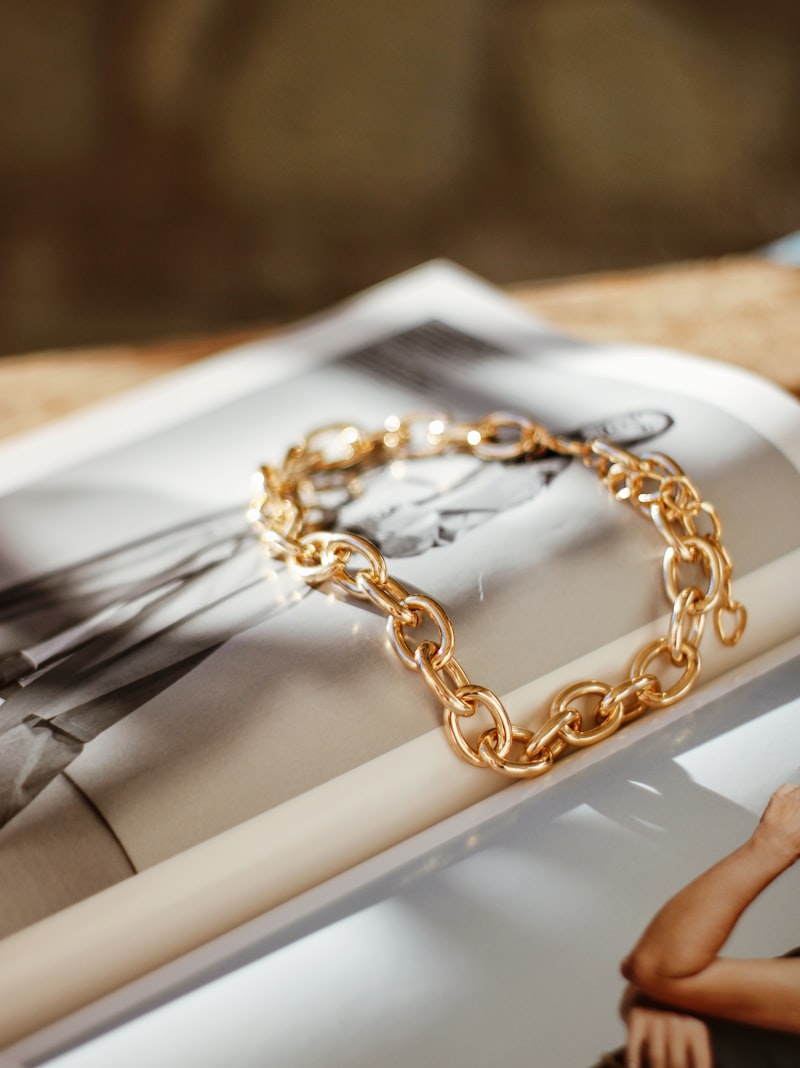
The Payal — Indian anklet — carries centuries of meaning. Explore its journey from ancient ritual to modern fashion staple.
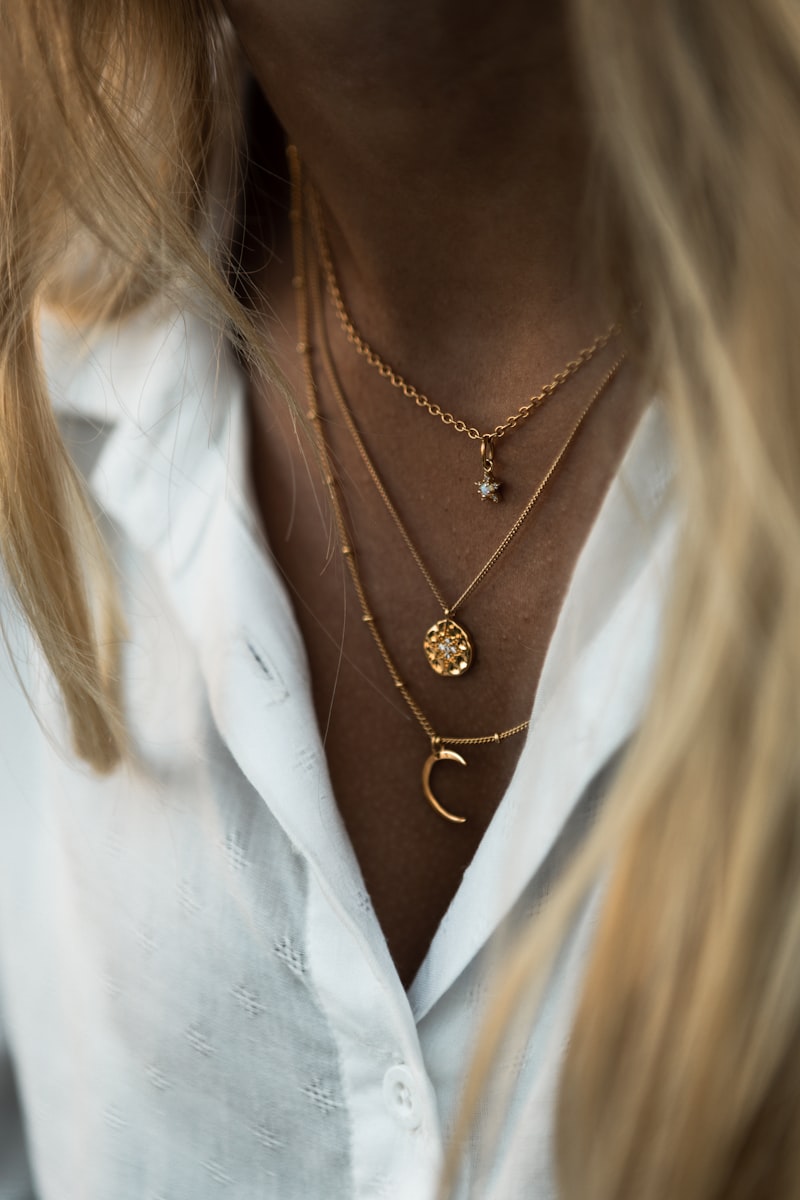
Learn expert tips to keep your heritage pieces gleaming for generations.