
The Complete Guide to Temple Jewellery
Temple jewellery — crafted for gods, worn by queens. Explore the divine origins of South India's most sacred jewellery style.
In India, gold jewellery is far more than an accessory — it is a store of value, a family legacy, and a financial safety net. Understanding how jewellery value works helps you make smarter purchases.
The value of gold jewellery is primarily determined by its purity and weight. 24K gold (99.9% pure) is the most valuable but too soft for most jewellery. 22K (91.6% pure) is the standard for Indian jewellery and strikes the best balance of purity and durability. 18K (75% pure) is used for jewellery that will take heavy wear.
Beyond the gold value, you pay making charges — the cost of the craftsmanship. These charges are not recoverable if you sell the piece later. For investment purposes, simpler designs with lower making charges make more financial sense. For heirloom pieces, making charges are worth paying for extraordinary craftsmanship.
Only buy hallmarked jewellery. The Bureau of Indian Standards (BIS) hallmark guarantees the purity of the gold and protects you from fraud.
Temple jewellery — crafted for gods, worn by queens. Explore the divine origins of South India's most sacred jewellery style.
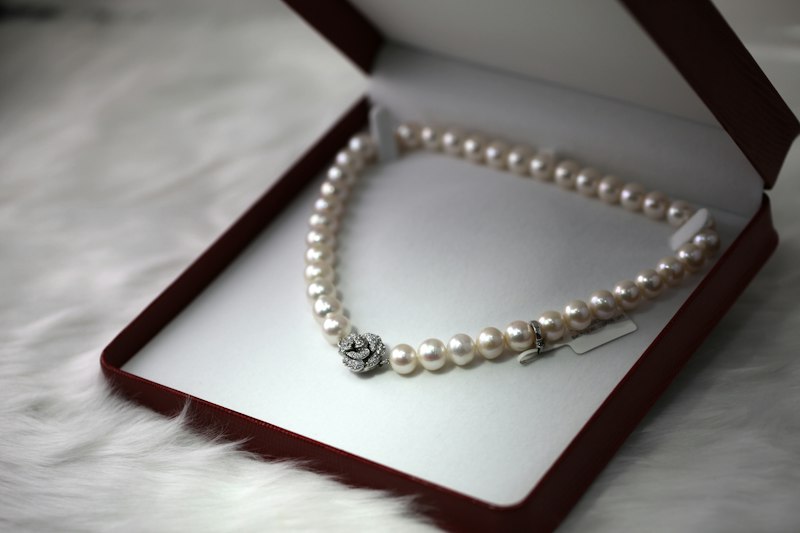
Learn the key tests and signs to verify whether your vintage jewellery is genuinely antique or a beautiful reproduction.

From the Maang Tikka to the Payal — a complete checklist of traditional bridal jewellery and what each piece symbolises.